

The European Union and 16 countries in Latin America and the Caribbean — Colombia, Barbados, Belize, Brazil, Chile, Costa Rica, the Dominican Republic, Ecuador, El Salvador, Grenada, Guatemala, Honduras, Mexico, Paraguay, Trinidad and Tobago, and Uruguay — launched the Bi-regional Pact on Care at the Fourth CELAC-EU Summit. This cooperation framework places the well-being, dignity and equality of people at the heart of the partnership between the two regions. The declaration remains open to new signatories.
Signatory countries to the Bi-regional Care Pact

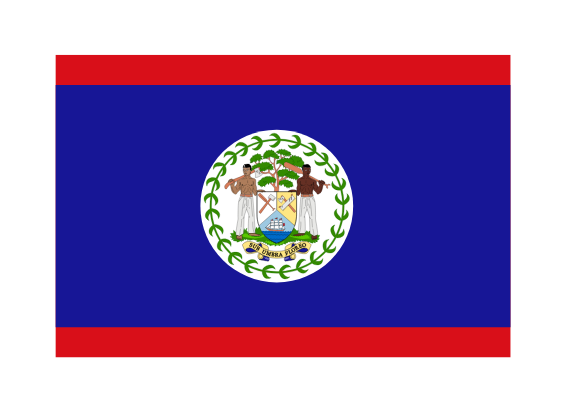


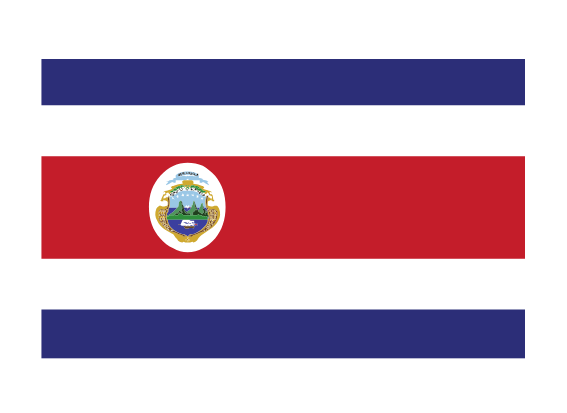
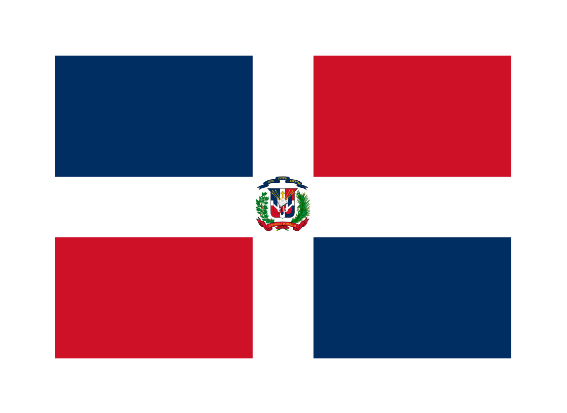
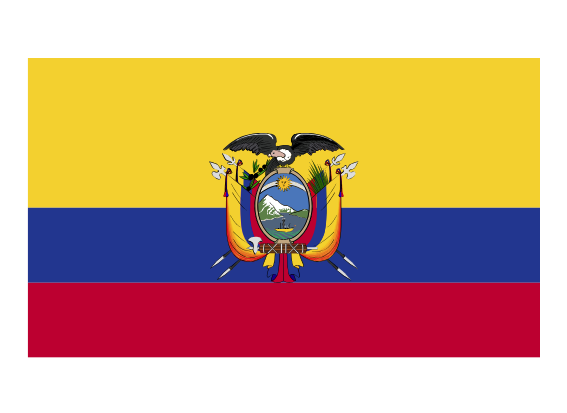
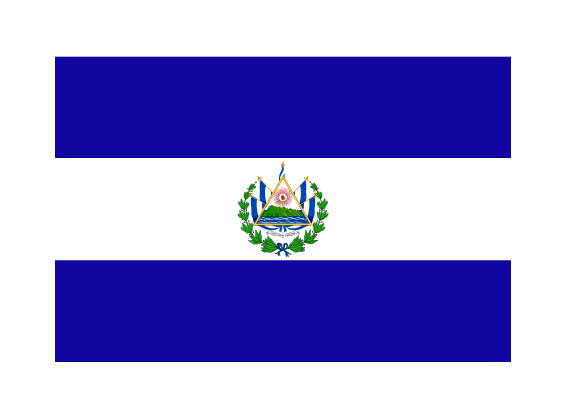

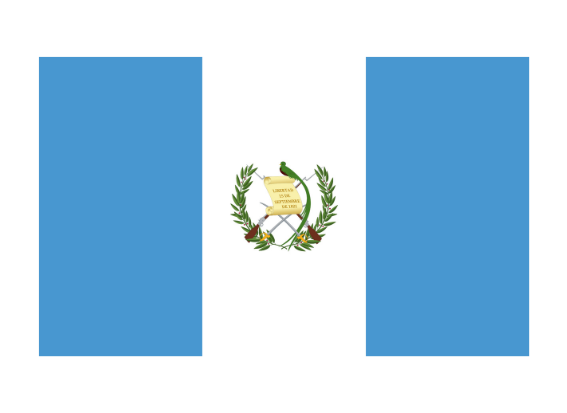
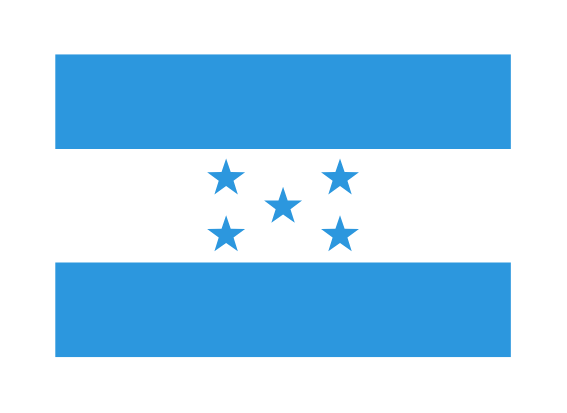
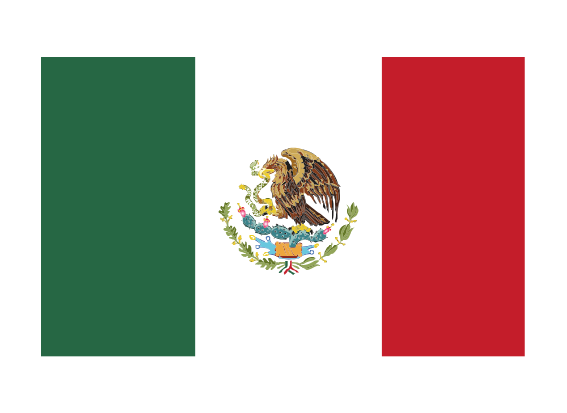
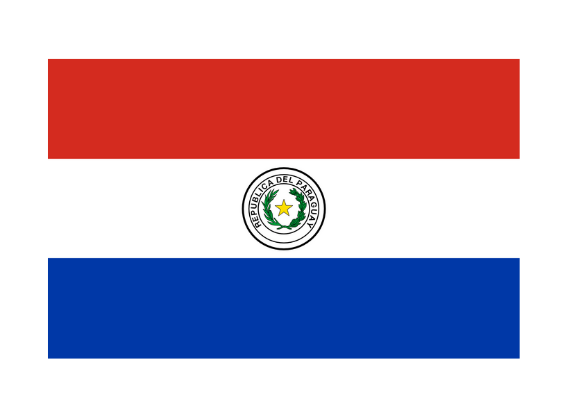

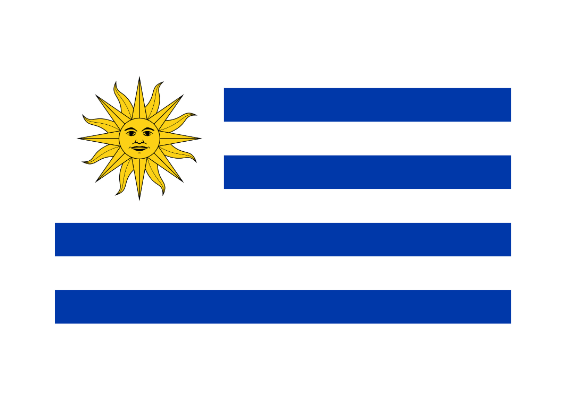



















An enhanced bi-regional cooperation in the field of care would allow the EU and LAC to conduct insightful exchanges of progress and good practices in care policies, systems and programmes, including policy and regulatory frameworks, governance mechanisms and institutional architecture of care systems. Both regions would bring different perspectives and experiences to the table, creating an opportunity for mutual learning and innovation with the goal of strengthening their care systems.


| What does the Pact contemplate? |
|---|
The Pact will serve as a permanent forum for dialogue and cooperation on the legal, social and economic dimensions of care systems. Regular exchanges are planned on policy developments and good practices, regulatory frameworks, infrastructure and the institutional architecture of care systems. They may also focus on the working conditions of workers in the sector, professionalisation and skills development strategies, initiatives to recognise unpaid care work and reduce the burden on those who provide it, as well as sectoral, local and community experiences and strategies for financing care systems.
Through the Pact, the aim is to carry out comparative studies on care-related issues. It also aims to stimulate the formulation of concrete proposals to be taken into account by the authorities in both regions, exploring opportunities to create decent employment and expand multi-stakeholder financing mechanisms and strategies through innovative investments in the care economy.
| How will it be implemented? |
|---|
Participating countries will designate focal points that will meet periodically to carry out the exchanges of good practices, comparative studies and analyses mentioned above, as well as to identify opportunities for cooperation, promote joint initiatives, review the implementation of common priorities and convene specific thematic meetings. Participating countries will define the frequency and content of the planned exchanges, as well as the modalities for consultation with civil society and other relevant actors, and will seek to identify possible sources of funding for initiatives carried out within this framework.
The EU-LAC Foundation, one of the organisations promoting the Pact, will play a central role in its implementation by supporting the organisation of meetings between representatives of EU Member States, European institutions and participating Latin American and Caribbean countries. In addition, the organisation will facilitate the participation of civil society and academia, thereby strengthening the inclusive and participatory dimension of the process.
Contributions of the EU-LAC Foundation to the Pact

Reflections and contributions towards an EU-LAC Bi-regional Pact for Care

Report: High-Level Dialogue: 'Foundations for a Bi-Regional Pact of Care between Latin America, the Caribbean, and the European Union'

Towards people-centered Comprehensive Care Systems and Policies: Dialogues between Latin America, the Caribbean, and the European Union

Poems That Are Medicine: The Art of Caring Through Poetry

Report EU-LAC Gender Equality Forum

Transforming financial architectures for gender equality in Europe, Latin America and the Caribbean
| What makes it so special? |
|---|
The idea of establishing close cooperation between Latin America and the Caribbean and the European Union in the area of care work arose from civil society organisations in both regions and in the context of the Covid-19 pandemic, which exacerbated the burden of paid and unpaid care work and highlighted the essential role that care economies play in sustaining life.
Civil society actors forged strong alliances with regional and international organisations such as ECLAC, UN Women and the EU-LAC Foundation, and it is undoubtedly thanks to their constant commitment and advocacy that the Bi-regional Care Pact was approved at the VI CELAC-EU Summit in 2025.
Background to the Bi-regional Pact for Care

The context of the COVID-19 pandemic
The idea of establishing close cooperation between Latin America and the Caribbean and the European Union in the field of care arose in the context of the Covid-19 pandemic. The pandemic exacerbated the burden of care work, both paid and unpaid, and highlighted the essential role that care economies play in sustaining life. Significant events such as the 25th anniversary of the World Conference on Women held in Beijing in 2020 reignited the debate on gender equality and the role of care in achieving it.

European Care Strategy
In September 2022, the European Commission presented the European Care Strategy, with the aim of ensuring high-quality, affordable and accessible care services throughout the European Union and improving the situation of both those receiving care and those providing it professionally or informally. In December 2022, the European Council adopted recommendations on early childhood education and care services and on access to affordable, high-quality long-term care.

Buenos Aires Commitment
In November 2022, at the XV Regional Conference on Women, Latin American and Caribbean countries approved the Buenos Aires Commitment, which advocates for the design of comprehensive care systems that ensure universal access to high-quality services, promote policy coordination and intersectoral collaboration, and guarantee financial sustainability.

Multi-stakeholder efforts
Throughout 2023, numerous actors – civil society organisations, parliamentarians and international organisations – took up this momentum and developed it further at events such as the EU-LAC Gender Equality Forum organised by the EU-LAC Foundation, and the EU-LAC Forum: Partners for Change: Youth, Civil Society and Local Authorities, among others.

Tlatelolco Commitment 2025
The Tlatelolco 2025 Commitment agreed on 15 August 2025 at the Regional Conference on Women in Latin America and the Caribbean in Mexico establishes a decade of action from 2025 to 2035 in the region to accelerate the achievement of substantive gender equality and a caring society through transformations in the political, economic, social, cultural and environmental spheres.